Workplace Behaviour, Safety and Health
Senior 6 · Entrepreneurship
Workplace Behaviour, Safety and Health
Lesson 2 of 5
30 min
Two welding workshops in Gikondo do the same work. In the first, the floor is covered with offcuts and cables, goggles hang on a nail "for visitors", and the workers eat lunch at the bench. In the second, each tool has a marked place, the cables run overhead, every welder wears a mask and gloves, and a first-aid box and an extinguisher hang by the door. The second owner spends a little more each month, and in two years has not lost a working day to injury. (Illustrative workshops.) Safety, health and hygiene are mostly a matter of daily habits, built into the way work is organised.
Definition
Personal protective equipment (PPE): clothing and equipment worn to protect a worker from a hazard, such as helmets, goggles, gloves, masks, ear protection, safety boots and high-visibility vests. Under Article 79 of Law N° 66 of 2018 the employer must provide suitable PPE, explain its use and check that it is used, at no cost to the employee.
Definition
Hygiene: practices that keep people and places clean to prevent disease. Housekeeping: keeping the workplace tidy, clean and orderly. Occupational Health and Safety Committee: a committee every enterprise establishes (Article 78) to help manage health and safety at work.
| Part protected | Hazard | PPE | Typical work |
|---|---|---|---|
| Head | Falling objects, bumps | Hard hat (helmet) | Building sites, warehouses |
| Eyes and face | Sparks, flying chips, splashes, bright light | Goggles, face shield, welding mask | Welding, grinding, mixing chemicals |
| Hearing | Loud machines | Ear plugs or ear muffs | Carpentry, milling, generators |
| Lungs | Dust, fumes, spray | Dust mask or respirator | Sanding, spraying pesticide, cement work |
| Hands | Cuts, heat, chemicals | Gloves of the right type | Handling metal, cleaning, laboratories |
| Feet | Heavy objects, nails, wet floors | Safety boots, gumboots | Building, farming, food processing |
| Whole body | Traffic, dirt, chemicals | Overalls, high-visibility vest, apron | Road works, workshops, kitchens |

Signs use the same shapes and colours worldwide (the ISO 7010 system), so they can be understood without words. Shape and colour tell you the type of message before you read it: stop (red circle), do (blue circle), beware (yellow triangle), this way to safety (green) and fire equipment here (red square).
| Area | Practice |
|---|---|
| Housekeeping (the 5S method) | Sort out what is not needed; set in order a place for everything; shine, clean daily; standardise the routine; sustain it with checks |
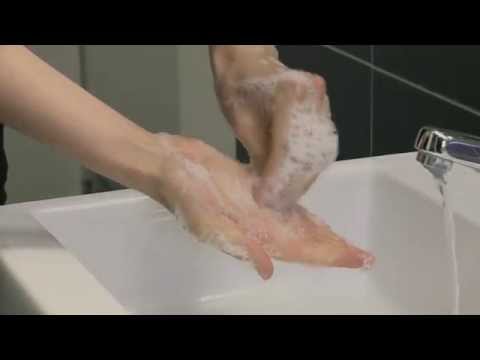
| Hand hygiene | Wash hands with soap and water for 40 to 60 seconds, covering all surfaces (WHO), after the toilet, before handling food and after handling waste or chemicals |
| Food hygiene | WHO's Five Keys to Safer Food: keep clean; separate raw and cooked food; cook thoroughly; keep food at safe temperatures; use safe water and raw materials |
| Personal hygiene and dress | Clean uniform, tied-back hair and no loose jewellery near machines; covered cuts |
| Waste and chemicals | Label containers, store chemicals away from food, use separate bins and dispose of waste safely |
| Welfare | Clean drinking water, toilets and hand-washing points, and a place to eat away from the work |
Worked example
Case analysis: is PPE worth the money?
The first Gikondo workshop has 8 welders. A full kit of welding mask, gloves, apron and boots costs about Frw 45,000 per welder per year (an illustrative figure). Last year one welder suffered an eye injury: hospital bills of Frw 600,000 and three weeks of lost work worth Frw 900,000 to the business.
Cost of PPE: francs a year. Cost of one injury: francs, without counting the worker's pain, a damaged reputation or the risk of permanent blindness.
Conclusion: one avoided injury pays for PPE for more than four years. Beyond the money, providing PPE is a legal duty of the employer (Article 79).
Warning
PPE is the last line of defence, not the first. It protects only the person wearing it, only if it fits and is worn correctly, and it fails without warning. First remove or reduce the hazard itself (lesson 3); then use PPE for the risk that remains.
World Health Organization, "How to handwash? With soap and water". Follow each step with your own hands and count how long the full routine takes.
Practice
Sources and credits
Written by Ganzaa: the workshop case, the safety-sign drawing, the tables, the case analysis and the practice items. The workshops and their costs are illustrative (2026).
This lesson adapts CC BY-SA material and is shared under CC BY-SA 4.0.