Nutritional Deficiency and Health Disorders
Senior 3 · Home Science
Nutritional Deficiency and Health Disorders
Lesson 4 of 4
25 min
Let's begin
In Rwanda's 2022 national survey, 16.8% of adults aged 18 to 69 had raised blood pressure, and among people aged 60 to 69 the figure was 43.2%. The same survey found that adults ate on average 8.8 g of salt a day, far above the WHO limit of under 5 g, and only about 2.3 servings of fruit and vegetables a day (1.6 of vegetables and 0.7 of fruit), when WHO recommends five. These are kitchen problems as much as medical ones. This lesson looks at heart disease and two common cancers, breast and prostate cancer, and then at how to plan and cook for people living with a diet-related condition.
Definition
Chronic disease: a long-lasting disease that develops slowly, such as high blood pressure, diabetes, heart disease and cancer. These are also called non-communicable diseases (NCDs) because they do not spread from person to person.
Hypertension (high blood pressure): blood pressure that stays at or above 14090 mmHg. It strains the heart and blood vessels and can cause stroke, heart attack and kidney damage.
Atherosclerosis: narrowing and hardening of the arteries by fatty deposits, which can block blood flow to the heart (heart attack) or brain (stroke).
Cancer: a disease in which some body cells grow out of control and can spread to other parts of the body.
Cardiovascular diseases, mainly heart attacks and strokes, are the leading cause of death in the world: an estimated 19.8 million people died from them in 2022, about a third of all deaths (WHO, 2025). Most can be prevented. The main risk factors are high blood pressure, a diet high in salt, sugar and unhealthy fats, overweight, physical inactivity, tobacco and alcohol, and diabetes.

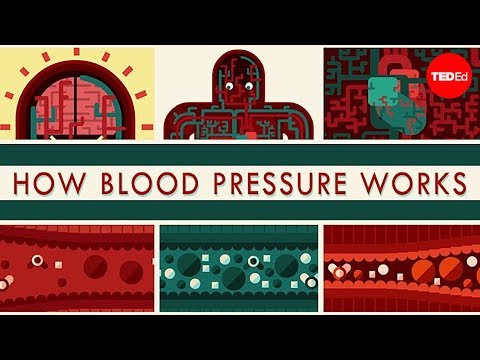
TED-Ed, Wilfred Manzano: how blood pressure works. Watch for the explanation of how a salty diet raises blood volume and pressure, and what the two numbers of a blood pressure reading mean.
| Breast cancer | Prostate cancer | |
|---|---|---|
| Who | mostly women (about 99% of cases), risk rising with age; rare in men | men only, mostly over 50 |
| Risk factors | older age, family history, obesity, harmful use of alcohol, tobacco, radiation exposure, some reproductive and hormone factors | older age, family history; overweight is linked to more aggressive forms |
| Warning signs | a new lump in the breast or armpit; change in the shape or skin of the breast; nipple changes or discharge | difficulty or pain passing urine; passing urine often at night; blood in urine |
| What to do | know how your body normally looks and feels; see a health worker about any change | men over 50, or with family history, should discuss checks with a health worker |
About 80% of breast cancers occur in women with no special risk factors other than being female and getting older (WHO), so diet cannot prevent every cancer. But a healthy weight, regular activity, no alcohol or tobacco, and a diet rich in vegetables, fruit, whole grains and legumes, with little processed meat, lower the risk of several cancers. Found early, many cancers can be treated successfully.
| Condition | Choose more | Choose less or avoid |
|---|---|---|
| Hypertension, heart disease | vegetables and fruit; beans; fish; whole grains; herbs, garlic, ginger, lemon for flavour | salt, stock cubes, salted snacks and fish; fatty meat; deep-fried food; alcohol |
| Type 2 diabetes | regular meals; vegetables; beans; whole grains; whole fruit in portions | sugar, sweets, soft drinks, juice; large starchy portions; white bread and cakes |
| Overweight | half the plate vegetables; lean protein; water; boiled, steamed or grilled food | fried food, sugary drinks, large portions, eating late at night |
| Anaemia | beans, dark green leaves, small fish, liver, eggs, with vitamin C foods | tea or coffee with meals |
| Recovering from malnutrition (child) | small frequent meals of enriched porridge; eggs, milk, beans, fish; mashed fruit | watery porridge; sugary drinks in place of meals |
| Cancer treatment | soft, moist, energy- and protein-rich food in small, frequent meals; plenty of fluids | raw or undercooked food (infection risk when immunity is low) |
Cooking with less salt: taste before adding salt; flavour with onion, garlic, ginger, tomatoes, pepper, herbs and lemon; use half a stock cube or none; take the salt cellar off the table; rinse salted fish before cooking.

Worked example
Worked example 1: finding the salt. Illustrative label. Labels often give sodium, not salt. WHO's limit of 5 g of salt equals 2 g of sodium, so A stock cube label says 1.7 g sodium per cube. How much salt is in one cube, and how far must average Rwandan intake fall to meet the WHO limit?
Worked example
Worked example 2: a day's meals for Sekuru. Sekuru (grandfather) is 66, overweight, and has high blood pressure. Plan his day.
Warning
Diet supports treatment; it does not replace it. People with hypertension, diabetes or cancer must keep taking the medicines prescribed by health workers. Be wary of "miracle" herbal cures or diets sold as replacements for treatment: they can delay care that works. Any lump, unexplained weight loss, or bleeding should be checked at a health centre without delay.
Tip
Memory hook: "Less salt, sugar, fat; more fruit, veg, fibre; move every day." The same rules protect against hypertension, type 2 diabetes, heart disease and several cancers.
Practice
Further reading
Sources and credits