Microbiology and Biotechnology
Senior 4 · Biology
Microbiology and Biotechnology
Lesson 2 of 5
25 min
Leave a slice of bread in a warm, damp kitchen for a few days and fluffy white threads appear, then tiny black dots. Store maize that is not properly dried and a greenish powder may grow on the grains. Walk past a potato field in cool, wet weather and you may see leaves turning brown and slimy within days. All three are caused by "moulds", yet only the first two are true fungi. The potato blight organism, Phytophthora infestans, is a water mould, more closely related to brown algae than to fungi.
This lesson compares fungal and non-fungal moulds, then turns to the single-celled eukaryotes (protozoa) that cause some of Rwanda's most serious infections, following their life cycles in detail.
Definition
Mould: a general name for any organism that grows as a fuzzy mass of fine threads on food or other material.
Hypha (plural hyphae): one thread of a mould; a mass of hyphae is a mycelium.
Saprotroph (saprophyte): an organism that feeds on dead organic matter by secreting enzymes onto it and absorbing the products (extracellular digestion).
Sporangium: a structure in which spores are made; conidia: spores formed in chains at the tips of special hyphae, not inside a sporangium.
Protozoa: single-celled, heterotrophic eukaryotes, many of which move by flagella, cilia or pseudopodia.
Cyst: a resting stage with a tough wall that survives outside the host. Trophozoite: the active, feeding stage.
Fungal moulds have walls of chitin, store food as glycogen and oil, and reproduce by large numbers of light, haploid spores. Three are important in the home and in industry:
Rhizopus reproduces asexually when food is plentiful: each sporangium releases thousands of genetically identical spores that blow to new food. When two mating strains (+ and −) meet, often as food runs out, they reproduce sexually, forming a resistant zygospore; meiosis when it germinates produces new combinations of alleles.

| Feature | Fungal moulds (Rhizopus, Penicillium) | Water moulds (oomycetes, e.g. Phytophthora) | Slime moulds (e.g. Physarum) |
|---|---|---|---|
| Kingdom | Fungi | Protoctista (related to brown algae) | Protoctista (related to amoebae) |
| Cell wall | Chitin | Cellulose | None in the feeding stage |
| Hyphae | Haploid | Diploid | No hyphae: a creeping mass of cytoplasm (plasmodium) or separate amoeba-like cells |
| Spores | Non-motile, spread by air | Swimming zoospores with two flagella, spread in water films | Spores from stalked fruiting bodies |
| Feeding | Extracellular digestion and absorption | Absorption; many are plant parasites | Engulf bacteria and organic particles |
Because water moulds spread by swimming spores, Phytophthora infestans (potato late blight) spreads fastest in cool, wet weather. It caused the Irish potato famine of the 1840s, and farmers today control it with resistant varieties, clean seed tubers and fungicide sprays timed to wet weather.
| Protozoan | Movement | Disease | Transmission |
|---|---|---|---|
| Plasmodium (sporozoan) | No organelles of movement in the blood stages | Malaria | Bite of a female Anopheles mosquito |
| Entamoeba histolytica (amoeba) | Pseudopodia | Amoebic dysentery | Faecal–oral: cysts in contaminated water or food |
| Trypanosoma brucei (flagellate) | One flagellum along an undulating membrane | African trypanosomiasis (sleeping sickness) | Bite of a tsetse fly |
| Giardia (flagellate) | Several flagella | Giardiasis (diarrhoea) | Faecal–oral: cysts in water |
Plasmodium needs two hosts: it reproduces asexually in humans and sexually in the mosquito, so the mosquito is both the vector and the host in which the parasite's sexual reproduction takes place.
The bursting of red cells releases waste and toxins together, which triggers the cycles of chills and high fever; the destruction of red cells causes anaemia. In P. falciparum, the most dangerous species, infected red cells stick to the walls of small blood vessels, blocking blood flow to the brain and other organs (severe malaria). Each stage is a target: nets and spraying stop the bites; artemisinin drugs kill the blood stages; and some drugs kill the gametocytes so that a treated person cannot infect mosquitoes.
A person swallows cysts (each with four nuclei) in water or food contaminated with faeces. In the small intestine each cyst releases amoebae, which divide and become trophozoites in the large intestine. There they feed on bacteria and may invade the gut wall, causing ulcers and bloody diarrhoea (amoebic dysentery); sometimes they reach the liver and form an abscess. In the lower colon, trophozoites round up and form new cysts, which pass out in the faeces and survive for weeks in moist surroundings. Only one host is needed, so the cycle is broken by safe water, latrines and handwashing.

Worked example 1: how fast do malaria parasites build up?
Suppose merozoites leave the liver and enter the blood, and the number of parasites multiplies by 8 in each 48-hour blood cycle (illustrative figures). An adult has about red blood cells. (a) How many parasites are there after 4 cycles, and what percentage of red cells is infected (assume one parasite per cell)? (b) After how many cycles will 2 % of red cells be infected?
Worked example 2: fungus or water mould?
A student finds a white, thread-like growth on diseased potato leaves. Under the microscope the threads have no cross-walls, and in a drop of water some spores are seen swimming. A cell-wall test shows cellulose but no chitin. Is the organism a fungus? Explain.
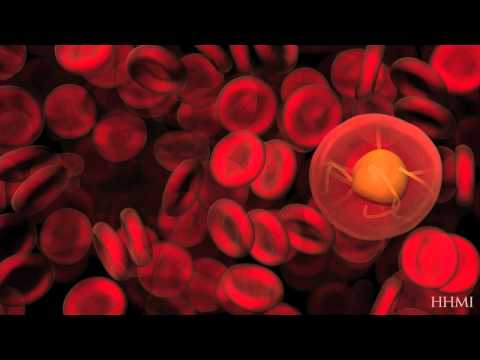
HHMI BioInteractive: "Malaria Life Cycle Animation: Mosquito Host". Watch the stages inside the mosquito: gametes fusing in the gut, the ookinete crossing the gut wall, and the oocyst releasing sporozoites that travel to the salivary glands.
Warning
Biosafety and common mistakes
Tip
Memory hook. Malaria in the human: "Saliva → Liver → Red cells → Gametocytes" (Some Like Red Gravy). In the mosquito: "Gut → Ookinete → Oocyst → Salivary glands".
Practice: moulds and pathogenic protozoa
Key points
Sources and credits
Quick check
Put the stages of Plasmodium in the human in order.
Tap the cards in the right order.